
💡 Key Takeaways
- As harvest season ends and Tule fog sets in, Roof Rats and House Mice migrate from Central Valley fields into your home.
- Rodents can chew through electrical wiring — a leading cause of house fires — and contaminate your attic insulation.
- A mouse can squeeze through a hole the size of a dime. Exclusion (sealing every entry point) is far more effective than trapping alone.
- Once sealed, the "vacuum effect" is broken — new rodents can no longer be attracted by the scent of the previous inhabitants.
As the vibrant harvest season in the San Joaquin Valley winds down and the cooling Tule fog begins to roll across the fields of Fresno and Merced, a different kind of harvest begins. Local rodents — specifically Roof Rats and House Mice — begin their annual migration from the fields and orchards toward the warmth and security of your home.
In the Valley, rodent control isn't just a nuisance issue; it's a structural and health necessity. At San Joaquin Pest Control (SJPC), we specialize in Rodent Exclusion — the art and science of sealing your home so pests can't get in, rather than just reacting after the fact.
In this guide, we provide a comprehensive winter checklist to help you protect your investment before the cold sets in.
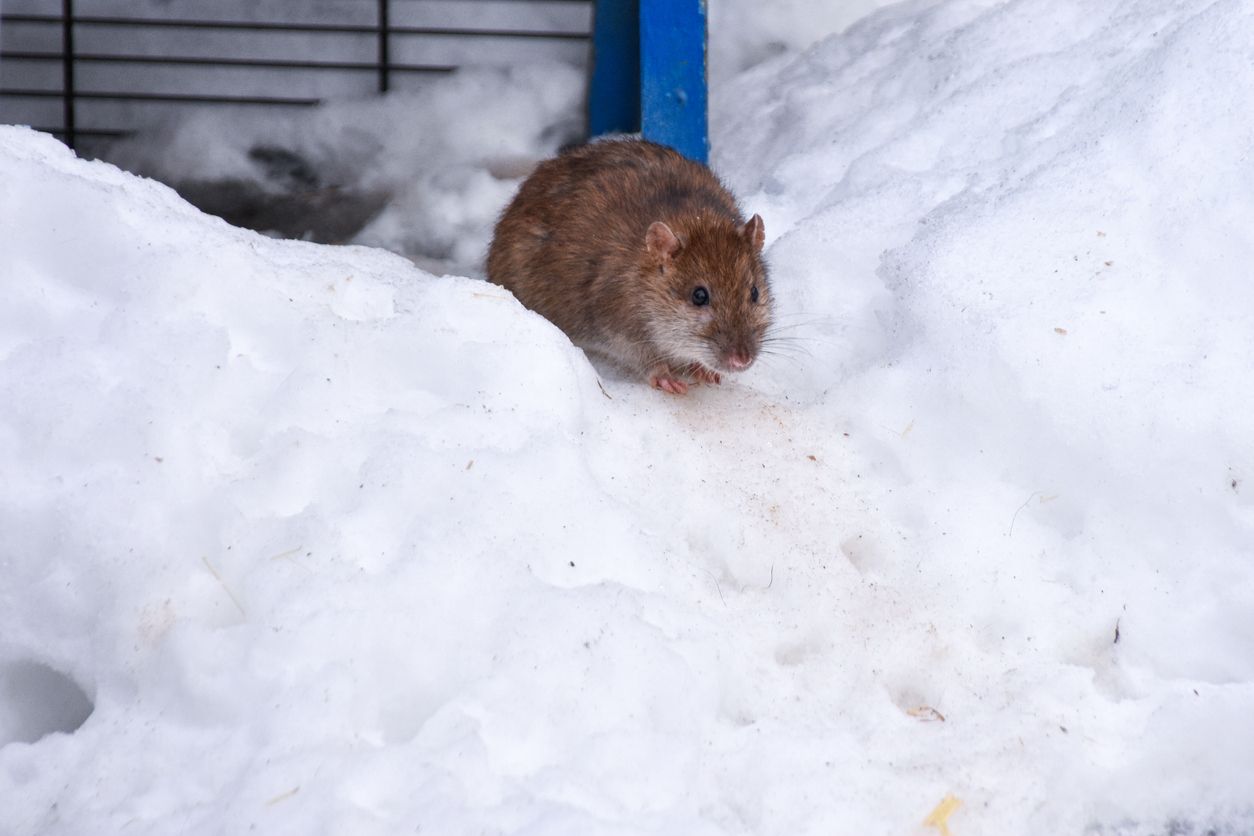
1. Meet the Local Invaders: Roof Rats and House Mice
Understanding your enemy is key to a successful defense. In the Central Valley, we primarily deal with two species.
The Roof Rat (Rattus rattus)
- Behavior: As the name suggests, they are incredible climbers. They prefer to live high up — in attics, false ceilings, and the tops of palm trees common in Fresno yards.
- Appearance: Sleek, dark brown or black, with a tail that is longer than their body.
- Entry Strategy: They use utility lines and overhanging tree branches as "highways" to access your roof and find gaps in your eaves or soffits.
The House Mouse (Mus musculus)
- Behavior: Ground-dwellers that prefer to live near food sources — kitchens, pantries, and garages.
- Appearance: Small, dusty gray with a cream-colored belly.
- Entry Strategy: They are flexible enough to squeeze through a hole the size of a dime. If they can fit their head through, the rest of the body will follow.
2. Why Rodents Are a Serious Threat to Your Home
Many homeowners assume a few mice are harmless. The damage can be extensive and expensive:
- Fire Hazard: Rodents' teeth never stop growing, so they must chew to keep them filed down. They often target the plastic insulation on electrical wiring in your attic — a leading cause of unexplained house fires.
- Disease: They carry Hantavirus, Salmonella, and various parasites. Their urine and droppings can contaminate your home's insulation and ventilation system.
- Structural Damage: They will shred your expensive attic insulation to make nests, reducing your home's energy efficiency and potentially triggering costly remediation.
Disease risk is real, not theoretical. The CDC reports hantaviruses — spread mainly through contact with rodent urine, droppings, and saliva — can be fatal in 38% of cases that develop respiratory symptoms. The deer mouse is the most common U.S. carrier, and there is no specific treatment. This is why the CDC's first prevention recommendation is to seal the holes and gaps in your home and garage — the same exclusion-first approach we use.
3. The SJPC Winter Rodent-Proofing Checklist
Take a walk around your home this weekend with this list in hand. Prevention is far cheaper than decontamination.
🛠️ Exterior Inspection Checklist
- ☐ Trim the Trees: Keep all tree branches at least 6 to 8 feet away from your roofline. This removes the "bridge" that Roof Rats use to jump onto your house.
- ☐ Check the Vents: Ensure all attic vents, gable vents, and crawl space openings are covered with 1/4-inch hardware cloth (metal mesh). Rodents can easily chew through plastic or standard window screening.
- ☐ Inspect the Roofline: Look for gaps where the roof meets the siding (the "fascia" and "soffit" areas). Use a mirror to check under the eaves.
- ☐ Seal Utility Entries: Check where AC lines, gas pipes, and electrical wires enter the siding. If there is a gap, fill it with steel wool first, then seal with high-quality caulk or expandable foam.
- ☐ Garage Door Seal: Check the rubber weather stripping at the bottom of your garage door. If it's brittle or has gaps at the corners, a mouse will find it.
Interior Maintenance Checklist
- ☐ Pet Food Security: Don't leave pet food out overnight. Store all dry food in airtight plastic or metal bins.
- ☐ Declutter the Garage: Avoid stacking cardboard boxes against walls. This creates a "protected highway" for mice to move around the perimeter of the room unseen.
- ☐ Inspect the Attic: Look for "rub marks" — dark, greasy stains along beams where rodents' fur has rubbed against the wood repeatedly.
4. Why "Trapping Only" Is a Losing Battle
Many homeowners respond to a rodent sighting by buying a few snap traps. While this kills individual rodents, it doesn't solve the underlying problem.
- The Vacuum Effect: When you remove one rodent but leave the hole open, the scent of the previous inhabitant will attract a new one within days.
- Professional Exclusion Works: At San Joaquin Pest Control, we focus on Exclusion. We identify every possible entry point and seal it with permanent, rodent-proof materials. Our goal is to make your home a fortress — not just to catch the ones already inside.
The CDC's rodent-prevention guidance mirrors our process exactly: seal entry points, set traps, and remove food attractants — in that order. Trapping without sealing is step 2 without step 1.
From the Field
"Every fall, the calls start the week the fog rolls in. The homeowners who beat the rush are the ones who sealed their homes in October — exclusion is a weekend job for us, but a whole winter of scratching-in-the-walls if you wait."
— Kathryn Buckley, San Joaquin Pest Control
Frequently Asked Questions About Rodents in the San Joaquin Valley
Can rodents chew through my walls?
Yes. Rats can chew through wood, plastic, and even thin aluminum. They cannot, however, chew through heavy-duty steel mesh (hardware cloth) or specialized rodent-proof steel wool when properly sealed with caulk. This is why professional exclusion materials make such a significant difference.
Do those ultrasonic "plug-in" rodent repellents work?
Multiple university studies have shown ultrasonic repellents have little to no long-term effect on rodents. They quickly become "habituated" to the noise and ignore it. Physical exclusion — sealing every entry point — is the only proven long-term solution.
I found "rice-shaped" droppings in my garage. What type of rodent is it?
Small, rice-shaped droppings that are pointed on both ends indicate mice. Rat droppings are larger (about the size of an olive pit) with blunt ends. The type of dropping helps determine the best exclusion and treatment strategy, which is why a professional inspection is so valuable.
How do Roof Rats get into my Fresno attic if I don't have trees near the roofline?
Roof Rats are exceptional climbers and can scale rough stucco, brick, and wood siding. They also travel along utility and cable lines that run to your house. Common entry points include unscreened gable vents, gaps in roof flashing, and any opening larger than a quarter at the roofline or eaves.
What diseases do rats and mice carry in California?
The CDC links rodents to hantavirus (fatal in up to 38% of respiratory cases), and health departments tie rodents to salmonella and leptospirosis. Droppings should never be dry-swept — wet-clean with disinfectant instead, per CDC guidance.
Don't Let the Fog Bring Unwanted Guests
If you hear scratching in your ceiling or see a tail disappearing behind a box in the garage, don't wait. Rodents breed quickly, and a small problem becomes a full-scale infestation in weeks. Contact San Joaquin Pest Control for a comprehensive rodent exclusion inspection.
Schedule a Rodent Inspection Call (559) 291-2200