
💡 Key Takeaways
- One-time treatments eliminate visible pests today — but don't address eggs, larvae, or the entry points that let new pests in tomorrow.
- Professional-grade residual products typically last 60 to 90 days, then break down. Without a follow-up, that protection gap goes untracked.
- Preventative programs create a continuous perimeter barrier and include seasonal adjustments — so your property is protected at every phase of the Central Valley pest cycle.
- Over five years, homes on preventative plans consistently spend less than homes relying on emergency one-time calls — plus they avoid expensive structural damage from termites and rodents.
If you've ever had a pest company come out, treat your home, and then watched the ants reappear three weeks later — you're not alone. One-time treatments solve today's problem. Preventative pest control eliminates the conditions that create tomorrow's. Here's why that distinction matters for homeowners and businesses throughout Fresno and the Central Valley.
What's the Real Difference Between Reactive and Preventative Service?
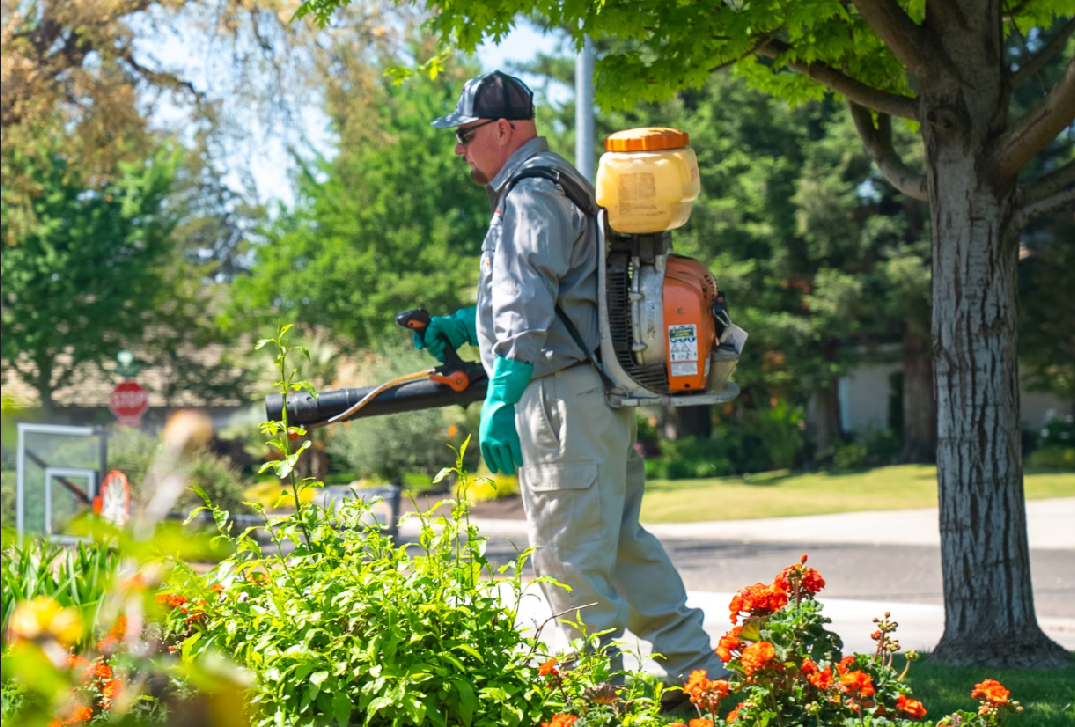
A one-time treatment is exactly what it sounds like: a technician responds to an active infestation, eliminates the pests they can see, and leaves. A preventative program, by contrast, maintains a continuous protective barrier around your property. Technicians make regular visits — typically quarterly — to inspect, treat, and adjust as pest pressure shifts with the seasons.
One approach waits for pests to make themselves at home. The other keeps them from ever getting in the door.
Why Do Pests Come Back After a One-Time Treatment?
The Life Cycle Problem
Most pest treatments kill the adults present at the time of service. They don't touch eggs or hidden larvae. Cockroaches, fleas, and many ant species have egg cycles that outlast the residual effect of a single application. This means a new generation hatches after the product has worn off. Regular service intervals are timed specifically to interrupt this cycle before the next generation can reproduce.
Entry Points Stay Open
Without exclusion work — sealing cracks, gaps, and utility penetrations — pests that were eliminated simply get replaced. Preventative programs include inspection for and correction of these structural vulnerabilities. One-time treatments rarely address the question of how they got in.
Seasonal Pressure Never Stops
Central Valley pest activity shifts predictably with the weather. Spring brings ant colonies and stinging insects. Summer drives moisture-seeking roaches and spiders indoors. Fall and winter push rodents through any gap they can find. A single treatment at one point in the year leaves your property exposed to every other phase of that cycle.
⚠️ The Reinfestation Window
Professional-grade residual products typically hold for 60 to 90 days, then break down from sun and moisture exposure. Without a scheduled follow-up, there's no one tracking when that protection gap opens. More than half of homes treated with a one-time service see pest activity return within six months.
How Does a Preventative Program Actually Protect Your Property?
It Creates a Perimeter, Not Just a Spot Treatment
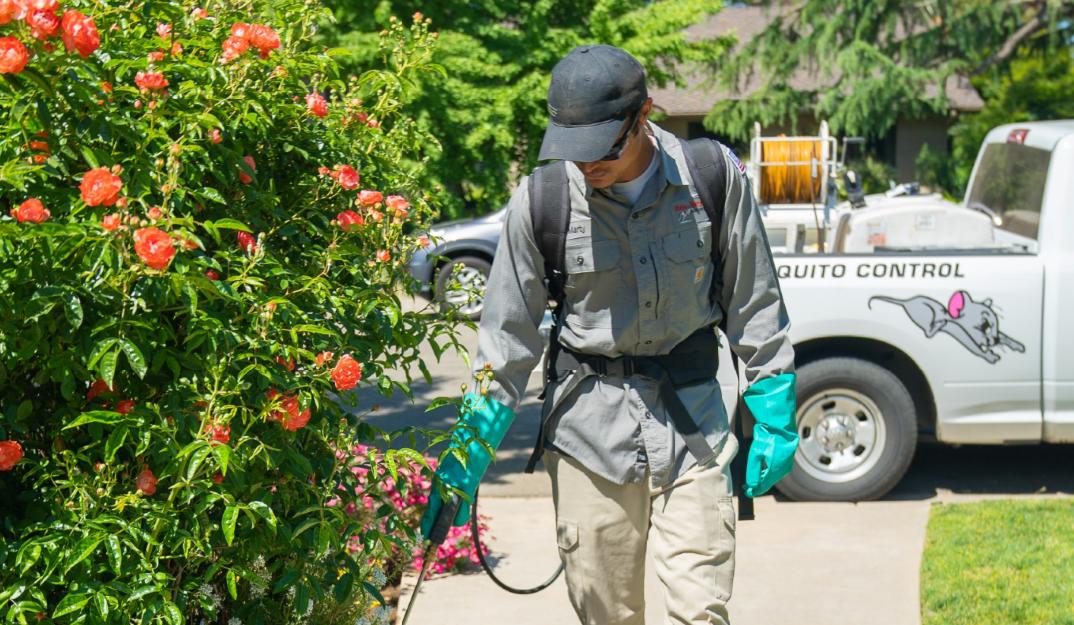
Rather than treating only where pests are visible, preventative service establishes a treated zone around the exterior foundation of your home or building. By the time a pest reaches your structure, it encounters that barrier before ever crossing your threshold. This is fundamentally different from indoor spraying after an infestation has already taken hold.
Early Detection Catches Problems That Cost Real Money
Certain pests cause serious structural damage long before they're visible to the homeowner. Termites, carpenter ants, and rodents can compromise framing, wiring, and insulation over months — often undetected. Routine inspections by a trained technician catch early warning signs like mud tubes, frass deposits, or gnaw marks before the repair bill grows.
Reduced Chemical Load Over Time
Preventative programs use targeted, lower-volume applications at regular intervals. That's a lower overall chemical load than the heavier treatments required to knock down an established infestation. For homes with children or pets, this distinction matters. Integrated Pest Management (IPM) principles prioritize keeping pests out in the first place — so intensive indoor applications become the exception rather than the rule.
📈 Is Preventative Pest Control Actually More Cost-Effective?
Upfront, a quarterly service plan costs more than doing nothing. Over time, it costs significantly less than the alternative.
- Homes under ongoing pest management consistently spend less over five years than those relying on emergency one-time calls.
- Most preventative plans include free re-treatment guarantees if pests appear between scheduled visits — no additional charge.
- The avoided expense of termite structural damage or rodent-chewed electrical wiring alone often exceeds the total cost of years of preventative service.
That predictability — combined with the protection you can't put a price on — makes the math clear.
Frequently Asked Questions About Preventative Pest Control in Fresno & the Central Valley
Why do pests come back after a one-time treatment?
One-time treatments kill visible pests but not eggs or hidden larvae. Once the product wears off — typically within 60 to 90 days — a new generation hatches and entry points remain open. Without ongoing exclusion work and regular service, reinfestation is common, with more than half of treated homes seeing pests return within six months.
What is the difference between preventative pest control and a one-time treatment?
A one-time treatment is a reactive service that eliminates pests currently visible on the property. Preventative pest control is a proactive, ongoing program that maintains a protective barrier around the structure, includes regular inspections, seals entry points, and adjusts treatments seasonally to keep pests from establishing in the first place.
Is preventative pest control worth the cost?
Yes. While a preventative plan costs more upfront than a single service call, homes under ongoing pest management consistently spend significantly less over time. They avoid repeated emergency treatments, costly structural repairs from termites or rodents, and benefit from re-treatment guarantees at no additional charge.
How does seasonal pest pressure affect homes in the Central Valley?
Pest activity in Fresno and the Central Valley shifts with the weather. Spring brings ant colonies and stinging insects. Summer drives moisture-seeking roaches and spiders indoors. Fall and winter push rodents to seek warmth inside structures. A preventative program adapts treatments to each phase of this seasonal cycle, maintaining year-round protection.
Stop Treating Symptoms. Start Preventing Problems.
San Joaquin Pest Control has been serving Fresno and the Central Valley for years, and we've seen firsthand what a difference ongoing protection makes. Our preventative programs are built around your specific property, the pests common to your area, and the seasons that drive them. Whether you're dealing with a current issue or want to make sure one never starts — we'll put together a plan that actually holds.
Get a Preventative Plan Quote Call (559) 291-2200