
💡 Key Takeaways
- The San Joaquin Valley is dominated by Argentine Ants — an invasive, multi-queen super-colony species.
- Over-the-counter repellent sprays often make infestations worse by triggering "budding" (colony splitting).
- Professional non-repellent bait is the only reliable way to eliminate the queens and collapse the colony.
- A professional perimeter barrier stops new scouts from re-entering after treatment.
If you've spent even one summer in Fresno, Clovis, or Merced, you're familiar with the "Ant Highway." One morning, your kitchen is pristine. The next, a shimmering black line of tiny ants is marching across your granite countertop, disappearing behind the backsplash, and seemingly ignoring every spray you throw at them.
In the San Joaquin Valley, we aren't just dealing with "ants." We are dealing with Argentine Ants (Linepithema humile)—an invasive species that has essentially turned the entire state of California into one massive "super-colony."
At San Joaquin Pest Control (SJPC), we understand the biology of these pests. In this comprehensive guide, we'll explain why they are in your home, why your DIY attempts are failing, and how professional Integrated Pest Management (IPM) can reclaim your kitchen for good.
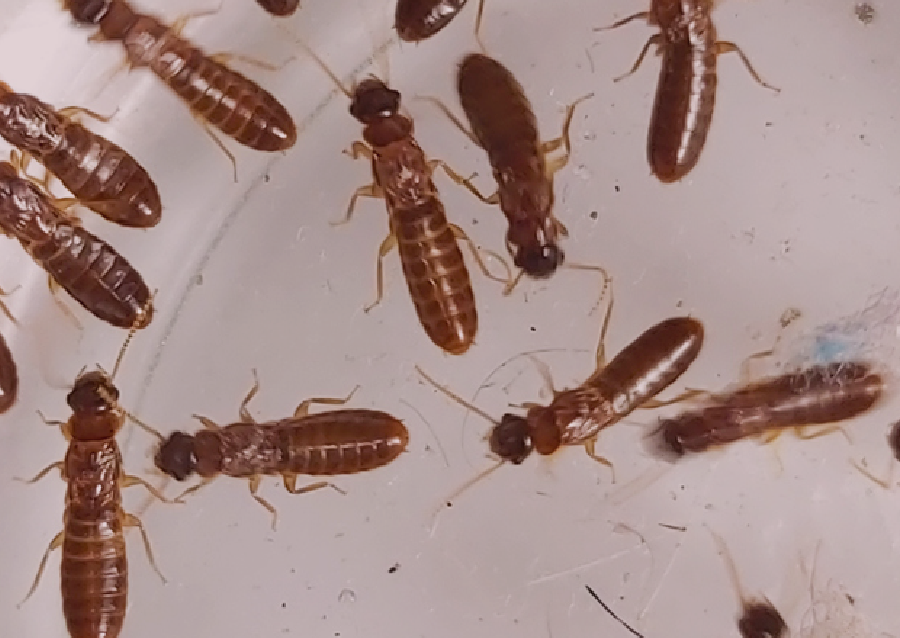
1. The Biology of the Invader: Why Argentine Ants Are Different
Unlike many ant species that have one queen and one nest, Argentine ants are polygynous (multiple queens) and unicolonial (different nests don't fight—they cooperate). This makes them extraordinarily difficult to eliminate with standard methods.
Why They Love the San Joaquin Valley
The Central Valley provides the perfect ecosystem for these ants to thrive:
- Agriculture: Our valley's rich soil and irrigation systems provide a massive base for outdoor colonies.
- The Dry Heat: When summer temperatures soar into the triple digits, the ground dries up. Ants, like all living things, need water. Your kitchen sink, your pet's water bowl, and the condensation on your AC pipes become their primary water sources.
- The Winter Rains: When the valley receives heavy winter rains, ant nests in the soil can flood, forcing colonies to seek higher, drier ground—often inside your walls or attic.
2. The "Spray Paradox": Why DIY Pesticides Often Fail
It's the most common mistake we see: a homeowner buys a can of repellent spray from a big-box store and douses the trail. It feels satisfying. But within a day or two, the ants are back—and often in a new room.
⚠️ The Problem with Repellent Sprays
Most over-the-counter sprays are pyrethroids. They kill the ants on contact, but they also act as a warning signal. When Argentine ants sense a repellent chemical, they trigger a survival mechanism called budding.
What is Budding? The multiple queens in the colony sense danger and split the colony into several smaller ones, moving to different parts of your house.
The Result: You killed 50 ants on the counter, but you just created three new colonies in your bedroom and bathroom walls.
The Myth of Natural Remedies
Vinegar, cinnamon, and peppermint oil can disrupt a scent trail temporarily, but they do nothing to address the thousands of ants—and the queens—living deep inside the structure of your home.
3. The Professional Solution: Integrated Pest Management (IPM)
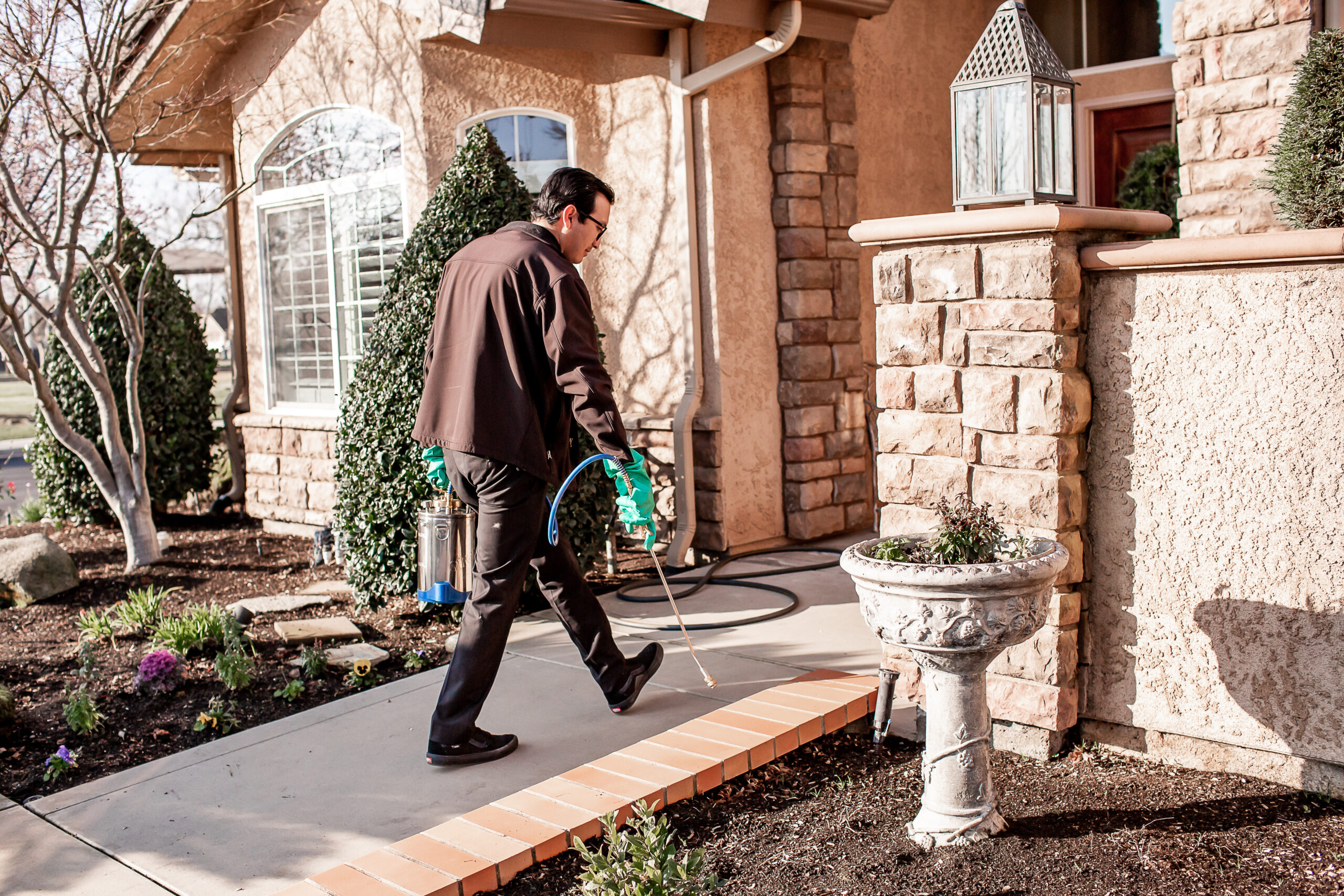
At San Joaquin Pest Control, we don't just "spray for bugs." We implement a strategic, science-based approach called Integrated Pest Management (IPM)—the gold standard in the pest control industry.
Step 1: Identification & Inspection
We start by identifying the exact species. While Argentine ants are the most common, we also deal with Thief Ants (tiny, grease-loving) and Pharaoh Ants (notorious for infesting hospitals and apartments). We locate every entry point—often cracks in the foundation, gaps in window seals, or utility lines.
Step 2: The Baiting Strategy (The Trojan Horse)
Instead of repelling ants, we use non-repellent, slow-acting baits.
- How it Works: Worker ants find the bait and think it's a high-quality food source. They carry it back to the nest and share it with the queens and the larvae.
- The Result: Because the bait doesn't kill them instantly, it has time to infiltrate the entire colony. Within days, the queens are eliminated, and the colony collapses from the inside out.
Step 3: Perimeter Defense
Once the internal colony is handled, we create a barrier. We treat the "buffer zone" around your home—the foundation, the soil, and the eaves—to stop new scouts from the neighbor's yard or the nearby fields from re-entering your home.
4. Five Pro Tips to Deter Ants Today
While you wait for your professional treatment, here are five steps every San Joaquin Valley homeowner should take:
- Eliminate "Towers": Keep tree branches and shrubs trimmed at least 12 inches away from your house. These act as bridges for ants to bypass ground barriers.
- Dry the Sink: After doing dishes, wipe your sink dry. In the summer, even a few drops of water can attract an entire colony.
- Seal the Pet Food: Store dry pet food in airtight plastic containers.
- Check Your Irrigation: Ensure sprinklers aren't hitting the side of your house, which creates the damp conditions ants love.
- Clean the Trash Zone: Regularly wash out your outdoor trash bins to remove sugary residues.
Frequently Asked Questions About Ant Control in Fresno & Merced
How long does it take to see results after professional ant treatment?
With our professional baiting system, you'll typically see a significant reduction in ant activity within 3 to 7 days. It takes time for the bait to reach the queens. Some homeowners see a temporary increase in activity as worker ants bring the bait back to the nest—this is a good sign that the treatment is working.
Are professional ant treatments safe for kids and pets?
Yes. We use low-toxicity products placed strategically in areas inaccessible to children and pets. Once our exterior barrier is dry (typically 30–60 minutes), it is completely safe for your family to enjoy the yard.
Why do I have ants in my bathroom if there's no food there?
Ants in bathrooms are almost always looking for water. They are attracted to moisture in your drains, condensation on pipes, and dampness behind tiles. In the hot San Joaquin Valley summers, water is as valuable as food to a colony.
Why do I keep getting ants every summer in Fresno?
Argentine ants are the dominant ant species throughout California's Central Valley. Their massive, cooperative super-colony means there is always pressure from the outdoor population trying to enter your home. A recurring professional perimeter treatment—typically bi-monthly—is the most effective long-term defense for Fresno and Merced homeowners.
Ready to Reclaim Your Kitchen?
Don't let ants dictate how you use your home. San Joaquin Pest Control has been the Valley's trusted expert for decades. We know the unique challenges of Fresno, Merced, and our surrounding communities.
Get a Free Ant Inspection Call (559) 291-2200