
💡 Key Takeaways
- The Western Black Widow is the primary dangerous spider in the San Joaquin Valley — identify it by its shiny black body and red hourglass marking.
- Despite what many believe, Brown Recluse spiders are not native to California. That "brown spider" in your garage is likely a harmless Wolf Spider.
- Spiders follow their food source — controlling insects around your home is the best long-term spider deterrent.
- Professional treatments eliminate both spiders and the insect prey that attracts them.
For many homeowners in Fresno, Merced, and the surrounding San Joaquin Valley, spiders are the #1 source of "pest anxiety." Whether it's a wispy web in the corner of the garage or a large, hairy spider scurrying across the patio, the sight of an eight-legged guest often triggers an immediate call to pest control.
But which spiders are truly dangerous, and which are just helpful neighbors? In this guide, San Joaquin Pest Control (SJPC) breaks down the local spider population, debunks the common "Brown Recluse" myth, and provides actionable safety tips for your family.
1. The Real Threat: The Western Black Widow
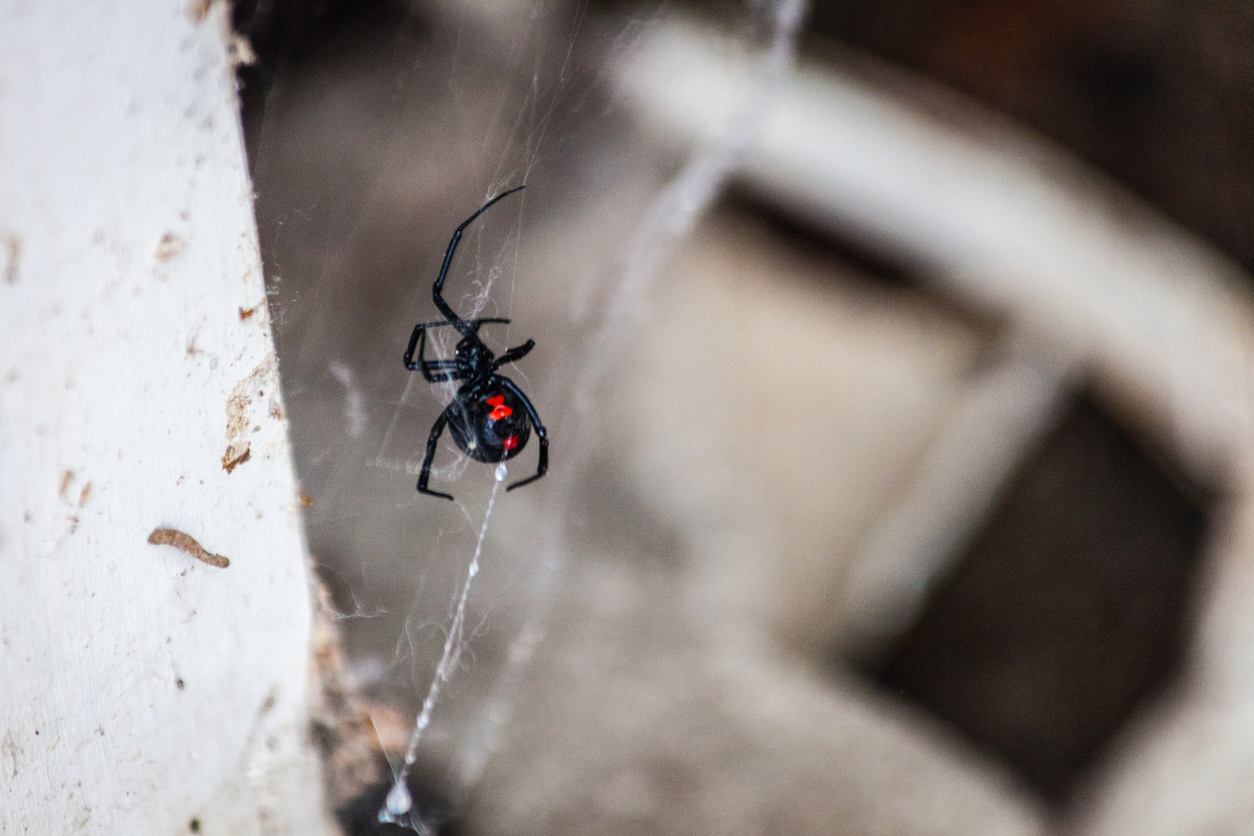
In the Central Valley, the Western Black Widow (Latrodectus hesperus) is the primary spider of medical concern. They are incredibly common in our region because they thrive in our dry, hot climate.
How to Identify a Black Widow
- The Female: Shiny black body, approximately the size of a grape. Look for the iconic bright red "hourglass" shape on the underside of the abdomen.
- The Web: Unlike the beautiful, geometric webs of garden spiders, Black Widow webs are irregular, messy, and extremely strong. If you touch a web and it "crackles" or feels remarkably tough, it's likely a widow's home.
Where They Hide in the Valley
Widows prefer dark, undisturbed areas. In Central Valley homes, we most often find them in:
- The Garage: Behind storage boxes or in the corners of workbenches.
- The Yard: Inside irrigation valve boxes, under patio furniture, and in woodpiles.
- Eaves and Shelving: Anywhere they can sit quietly and wait for insects to fly into their web.
🚨 What to Do if You Suspect a Black Widow Bite
Black Widow venom is a neurotoxin. Symptoms include intense pain at the bite site, muscle cramping, abdominal pain, and nausea. If you suspect a Black Widow bite, seek medical attention immediately, especially for children or the elderly. Call 911 or go to the nearest emergency room.
2. Debunking the Myth: Do We Have Brown Recluse Spiders in California?
This is the most common question we get: "I found a brown spider—is it a Brown Recluse?"
The answer for San Joaquin Valley residents is almost always NO.
- Geography: The Brown Recluse (Loxosceles reclusa) is native to the Midwest and South-Central United States (think Kansas, Missouri, Oklahoma). They are not native to California.
- The "Desert Recluse": We do have a cousin called the Desert Recluse (Loxosceles deserta), but it lives in arid, uninhabited desert regions — not in residential Fresno or Merced.
- Misdiagnosis: Many "bite marks" attributed to spiders are actually bacterial infections or bites from other insects.
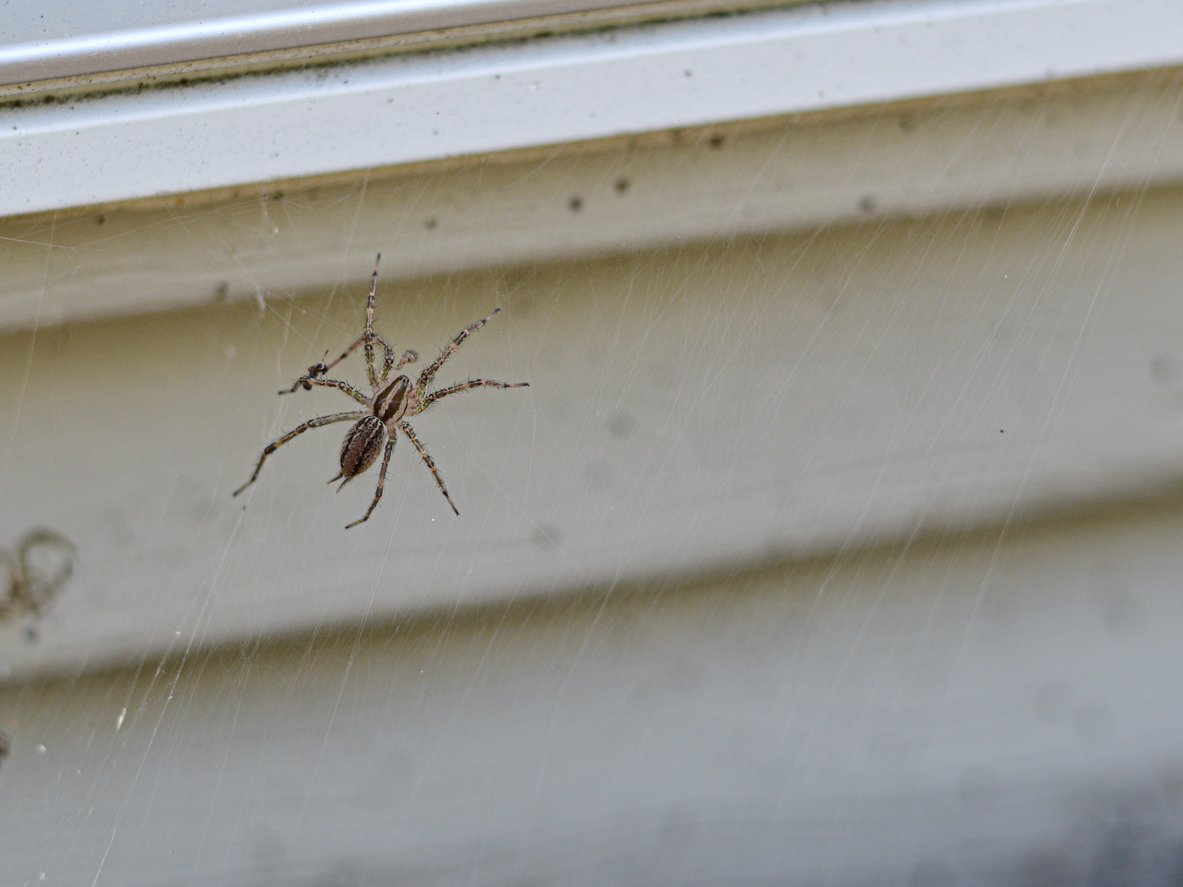
The Bottom Line: If you see a brown spider in your Central Valley home, it is almost certainly a Wolf Spider or a Cellar Spider — both harmless to healthy adults.
3. The "Good Neighbors": Wolf Spiders and Cellar Spiders
Not all spiders are enemies. Many spiders in your yard are actually working for you by eating mosquitoes, flies, and even other spiders.
The Wolf Spider
- Appearance: Large, brown, and hairy. They can be quite fast and scary-looking.
- Behavior: They don't spin webs to catch prey. Instead, they hunt on the ground like wolves (hence the name).
- Danger Level: Their bite is comparable to a bee sting — unpleasant, but not medically dangerous unless you have an allergy.
The Cellar Spider (Daddy Longlegs)
- Appearance: Tiny body with extremely long, thin legs.
- Behavior: They live in high corners and are surprisingly effective predators. They are known to kill and eat Black Widows!
4. How to Spider-Proof Your San Joaquin Valley Home
Spiders go where the food is. If you have spiders, it means you have other insects (flies, moths, crickets) for them to eat. Controlling the food source is the smartest long-term strategy.
Exterior Maintenance Tips
- De-Webbing: Use a cobweb brush or broom to clear webs from your eaves, door frames, and patio covers weekly. This disrupts their lifecycle.
- Landscaping: Keep bushes and grass trimmed away from your foundation. Spiders love to hide in tall grass or thick ground cover right against the house.
- Clutter Control: Clear out woodpiles, old tires, and stacks of brick. If you must keep wood, store it at least 20 feet from your house and off the ground.
- Switch Your Lights: Standard porch lights attract moths and beetles, which attract spiders. Switch to yellow "bug lights" to reduce the "buffet" near your doors.
Interior Protection
- Seal the Gaps: Use weather stripping on doors and caulk around windows to block entry points.
- Shake It Out: In the Valley, it's a good habit to shake out shoes or gardening gloves left in the garage before putting them on — especially in Black Widow territory.
5. Professional Spider Management
While DIY steps help, a professional barrier is the only way to significantly reduce the spider population around your home. At San Joaquin Pest Control, our treatment plan is two-fold:
- Eliminate the Food Source: By treating for the insects that spiders eat, we force the spiders to move elsewhere in search of a meal.
- Contact Barriers: We apply specialized treatments to the cracks, crevices, and eaves where spiders hide.
Frequently Asked Questions About Spiders in Fresno & Merced
Can spiders come through my AC vents?
It's rare. Most spiders enter through gaps under doors, through improperly fitted window screens, or along exterior utility lines. Sealing these entry points is more effective than worrying about vent covers.
Do spider repellent pouches (cedar, peppermint) actually work?
They have very limited effectiveness in an open area like a garage. They might deter a spider from a small, enclosed drawer, but they won't protect your whole home. A professional perimeter treatment is far more reliable for Fresno and Merced homeowners.
Should I kill every spider I see?
If it's a Black Widow near your living space, yes — remove it safely or call a professional. If it's a garden spider out by your fence, consider letting it stay. It's helping keep your garden pests in check. The goal is to eliminate dangerous spiders and remove the conditions that attract them indoors.
Are Black Widows common in Fresno and Merced?
Yes. Western Black Widows are extremely common throughout the San Joaquin Valley. They thrive in our hot, dry climate and are found year-round in garages, woodpiles, irrigation boxes, and under outdoor furniture. Regular professional perimeter treatments are the most effective way to keep them away from your living spaces.
Sleep Better Tonight with SJPC
Tired of walking into cobwebs? Concerned about Black Widows near your kids' play area? Let the experts at San Joaquin Pest Control handle the heavy lifting. We've been protecting Valley families from spiders and more for generations.
Schedule a Spider Inspection Call (559) 291-2200