
💡 Key Takeaways
- Yellowjackets are far more dangerous than Paper Wasps — they are aggressive scavengers that can sting repeatedly without dying.
- Yellowjackets often nest underground in old gopher holes or wall voids — making DIY removal extremely dangerous.
- Late summer is the most dangerous time: adult yellowjackets crave sugar, making every open soda can a potential sting threat.
- Never swat at a yellowjacket — crushing one releases a pheromone that signals the whole colony to attack.
In the San Joaquin Valley, summer means backyard BBQs, pool parties, and — unfortunately — an increase in stinging insects. As the temperatures rise in Fresno and Merced, so does the activity of Wasps and Yellowjackets.
While many of these insects are beneficial to the environment (they eat other pests!), they can become a serious safety threat when they nest too close to our living spaces. Understanding the difference between a "helpful" wasp and a "dangerous" yellowjacket is crucial for your family's summer safety.
In this guide, San Joaquin Pest Control (SJPC) breaks down the local species, provides safety tips for your next outdoor gathering, and explains why professional removal is always the right call for yellowjacket nests.
1. Know Your Stinger: Identification Is the First Step to Safety
In the Central Valley, we primarily deal with two types of stinging insects during summer. They look similar at a distance, but their behavior and aggression levels are very different.
The Paper Wasp (Polistes spp.)
- Appearance: Slender, long-legged, usually reddish-brown or black with yellow markings. They have a very distinct "pinched" waist.
- Nest Type: Open, umbrella-shaped combs that hang from eaves, door frames, or patio covers. You can see the individual cells where the larvae live.
- Aggression Level: Generally low. They are defensive of their nest but rarely attack unless directly provoked. They are actually beneficial predators, hunting garden caterpillars and flies.
The Western Yellowjacket (Vespula pensylvanica)
- Appearance: Shorter, stockier bodies with bright, bold yellow and black bands. They look similar to a honeybee but lack the fuzzy body hair.
- Nest Type: Most often underground. They take over old gopher holes or hollow spaces in wall voids. You may only see a small hole in the dirt with a constant stream of insects flying in and out.
- Aggression Level: EXTREMELY HIGH. They are aggressive scavengers that will defend their nest with vigor. Unlike honeybees, they can sting repeatedly without dying — and one disturbed yellowjacket can alert the entire colony to attack.
2. Why Summer BBQs Attract Yellowjackets
Yellowjackets are the ultimate party crashers — and their diet changes throughout the summer, which is why they seem to show up at the worst times.
- Early Summer: They seek protein (meat and insects) to feed their growing larvae. This is why they hover over your burger patties, hot dogs, and chicken at the grill.
- Late Summer and Fall: Once the larvae are grown, the adult workers crave sugar for energy. This is when they become obsessed with your soda cans, juice boxes, sweet tea, and fallen fruit from valley orchards.
3. Five Safety Rules for Outdoor Gatherings in the Valley
To keep your family and guests safe during peak yellowjacket season, follow these five critical steps:
🅳 Summer Safety Rules for Fresno & Merced Backyard Gatherings
- Cover the Food: Use mesh food covers for all outdoor platters. Keep coolers closed between refills.
- The "Soda Can" Rule: Yellowjackets love to crawl inside open soda cans. Always pour drinks into a clear cup or use a straw — a sting to the throat can be life-threatening due to swelling.
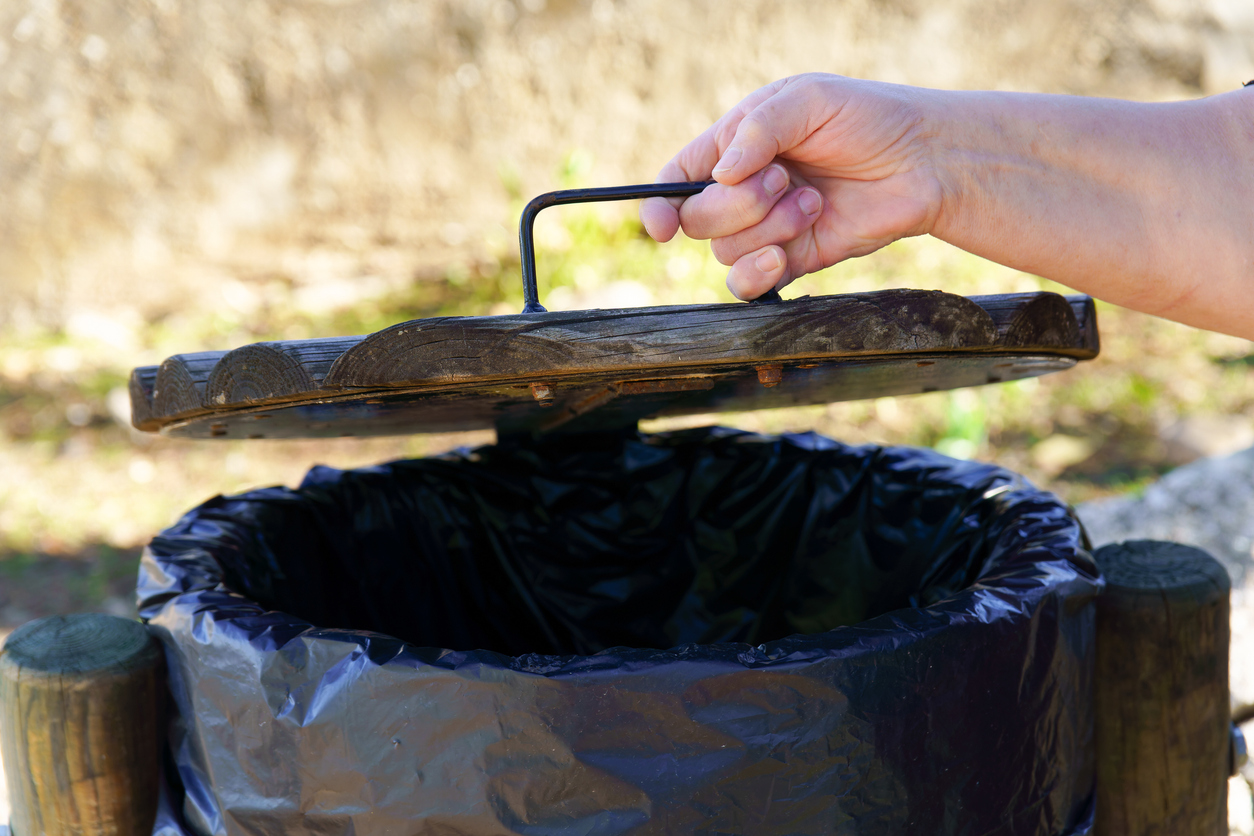
- Trash Management: Use trash cans with tight-fitting lids. Position trash bins as far from the seating area as possible.
- Avoid Floral Scents: Brightly colored clothing and heavy floral perfumes or lotions can signal to a wasp that you're a food source.
- Never Swat: If a yellowjacket lands on you, stay calm and slowly brush it off. Crushing or swatting one releases a "distress pheromone" that signals the entire colony to attack.
4. Why You Should Never Remove a Yellowjacket Nest Yourself
We see it every summer across Fresno and Merced: a homeowner trying to spray a wasp nest with a garden hose or pouring gasoline down a yellowjacket hole. Please — do not do this.
- Underground Nests Can House Thousands: A single yellowjacket hole in the ground can lead to a subterranean colony with 3,000 to 5,000 individuals. Spraying the entrance angers the colony without eliminating it, leading to multiple stings in a very short time.
- Allergic Reactions Can Be Fatal: You may not know you are allergic to wasp venom until you are stung multiple times. For some individuals, this leads to anaphylactic shock — a life-threatening emergency.
- Wall Void Nests Cause Structural Issues: Spraying water into a wall void can lead to moisture damage and mold growth inside your home, creating a secondary problem far more expensive than the original nest.
5. Professional Wasp & Yellowjacket Removal by SJPC
At San Joaquin Pest Control, we have the protective equipment and professional-grade products to eliminate nests safely and completely:
- Accurate Identification: We confirm the species and locate all secondary entrance and exit points before treatment begins.
- Safe Colony Elimination: We use localized, targeted treatments that eliminate the queen and the entire colony quickly and without risk to your family.
- Preventative Eave Treatment: We treat your eaves and patio covers with products that discourage wasps from building new nests in the same location next season.
Frequently Asked Questions About Wasps & Yellowjackets in the Central Valley
Do yellowjackets die after they sting you?
No. Unlike honeybees, yellowjackets have smooth stingers that do not get stuck in your skin. This means they can sting as many times as they want in a single encounter. This is what makes disturbing a yellowjacket nest so much more dangerous than disturbing a beehive.
How can I tell if I have a yellowjacket nest in my Fresno or Merced yard?
Watch your lawn and flower beds for consistent flight traffic near a single point in the ground. If you see insects repeatedly entering and exiting the same small hole — especially with heavy traffic in the late afternoon — you almost certainly have a yellowjacket ground nest. Do not approach the hole closely or attempt to block it.
Are wasps more active in the morning or evening?
Yellowjackets and Paper Wasps are most active during the warmest parts of the day — typically from late morning through late afternoon in the San Joaquin Valley heat. Colonies are least active in the early morning or late evening, which is why professional nest removals are often scheduled for those times to minimize risk.
Should I leave Paper Wasp nests alone if they're not near my doors?
If a small Paper Wasp nest is in a location that does not pose a risk to your family (high up in a tree, far from walkways), it may be beneficial to leave it. Paper Wasps hunt caterpillars and flies, providing natural pest control for your garden. However, any nest near doors, play areas, or high-traffic parts of your yard should be removed professionally to prevent accidental provocation.
Enjoy Your Summer Stress-Free
Don't let the fear of stings ruin your backyard fun. Whether you have a small Paper Wasp nest under the eave or a dangerous yellowjacket colony underground, San Joaquin Pest Control has the expertise to handle it safely.
Get a Wasp Removal Quote Call (559) 291-2200