
Fresno's Most Wanted: The 7 Pests Most Likely to Invade Your Central Valley Home
What Every Fresno Homeowner Should Know About the Bugs and Rodents Living in Your Walls
If you've lived in Fresno for more than one summer, you already know: this valley does not make it easy on homeowners. We sit in a bowl of agricultural land, surrounded by irrigated fields and orchards, baked by triple-digit summers, and blanketed by cold, damp Tule fog every winter. That cycle (heat, drought, flood, cold) doesn't just affect our crops. It creates a rotating cast of pests that are constantly looking for a way inside your home.
At San Joaquin Pest Control (SJPC), we've been protecting Fresno families for over 50 years. In that time, we've seen the same seven pests show up time and time again in Central Valley homes. This guide breaks down each one: what they look like, why they specifically love Fresno, and what the warning signs are before a small problem becomes a big one.
We're not alone in this fight. In a Harris Poll for the National Pest Management Association, 51% of Americans encountered ants in their homes this year — yet only 18% said they'd experienced a true infestation. That gap is exactly how small Fresno ant problems become wall-void colonies.
Fresno's Pest Calendar at a Glance
| Pest | Peak Season | #1 Warning Sign | DIY Risk |
|---|---|---|---|
| Argentine Ants | Summer | Shimmering trail to water | Colony "buds" and spreads |
| Roof Rats & Mice | Fall–Winter | Scratching in attic at night | Vacuum effect re-attracts |
| Subterranean Termites | Spring swarms | Mud tubes on foundation | /yr damage (NPMA), DIY ineffective (UC IPM) |
| Cockroaches | Year-round | Daytime sightings = heavy infestation | Allergens in 63% of US homes (NPMA/ACAAI) |
| Black Widow Spiders | Fall | Messy webs in garage corners | Bites need medical care |
| Yellowjackets | Late Summer | Same hole in lawn, in-and-out traffic | Distress pheromone triggers swarm |
| Mosquitoes | Summer–Fall | Bites at dusk/dawn | WNV-positive samples in 25 CA counties (CDPH, Jul 2026) |
Argentine Ants: The Summer Highway Builders
 Why Fresno?
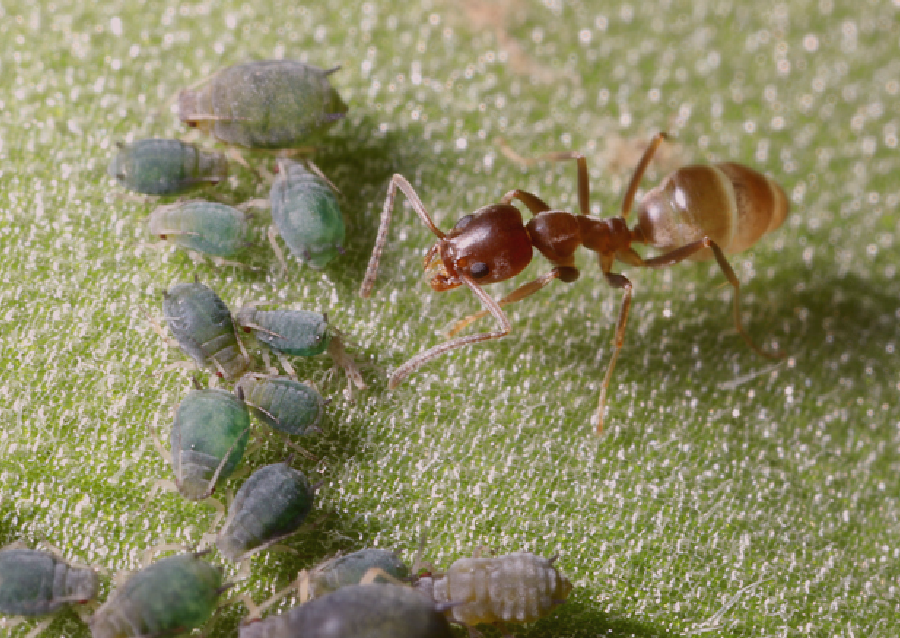
The Argentine Ant has essentially colonized all of California into one massive "super-colony," and the San Joaquin Valley is prime territory. When our summers push into the triple digits and the ground dries out, these ants have only one goal: find water. Your kitchen sink, your pet's bowl, and the condensation on your AC pipes become their lifeline.
What makes them different: Unlike most ant species, Argentine ants have multiple queens and cooperating nests. This means DIY repellent sprays often backfire: the colony senses danger, "buds" into smaller colonies, and spreads deeper into your walls.
- A shimmering trail of tiny black ants across your kitchen counter, especially in July and August
- Ants appearing in bathrooms (they're hunting moisture, not food)
- Trails that reappear within hours of being sprayed with store-bought products
What to do: Professional baiting with non-repellent, slow-acting products is the only way to reach the queens.
Nationally, more than 700 ant species exist in the U.S. and only about 25 commonly infest homes (NPMA) — but Argentine ants are the Central Valley's #1 invader, and their colonies can number in the hundreds of thousands of workers.
Deep dive: The Ultimate Guide to Ant Control in the San Joaquin Valley
SJPC Ant Control
Roof Rats & House Mice: The Tule Fog Tenants
 Why Fresno?
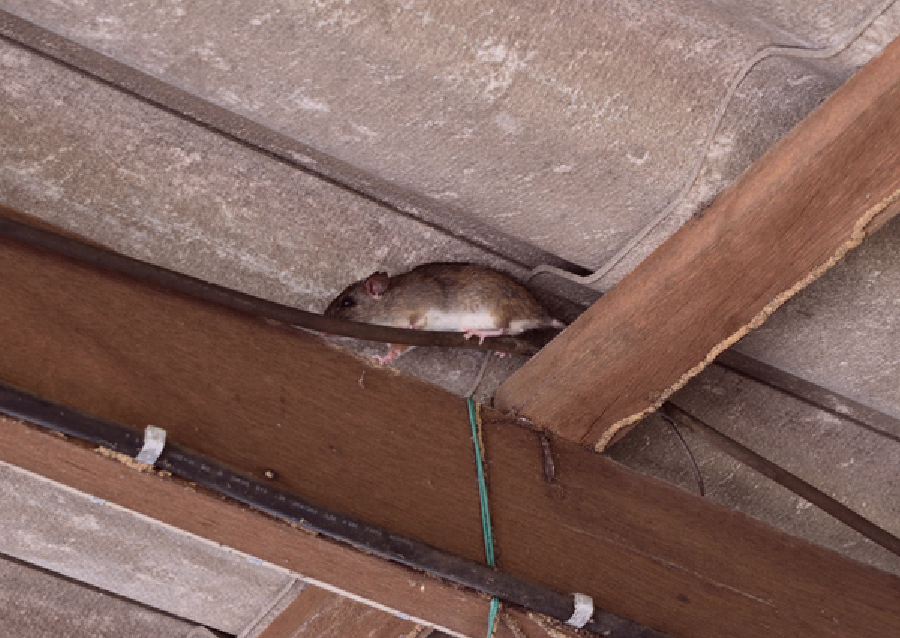
As the harvest ends each fall and the Tule fog rolls in, the rodents that spent the summer living in the valley's orchards and fields lose their food and warmth. Your attic is the next best option. Roof Rats are extraordinary climbers who use overhanging tree branches as "bridges" to your roofline. House Mice can squeeze through a gap the size of a dime.
What makes them dangerous: Beyond the obvious health risks (Hantavirus, Salmonella), rodents' teeth never stop growing; they must constantly chew to file them down. They target the plastic insulation on electrical wiring in your attic, which is a leading but underreported cause of house fires.
- Scratching or scurrying sounds in the ceiling at night
- Dark, greasy "rub marks" along attic beams where fur has rubbed against wood
- "Rice-shaped" droppings in the garage or pantry (mouse) or larger, blunt-ended droppings (rat)
- Gnawed edges on food packaging or cardboard boxes in the garage
What to do: Trapping alone won't solve it. The entry point must be permanently sealed. Professional exclusion is the only lasting fix.
It's not just property damage. The CDC reports hantaviruses — spread mainly through rodent urine, droppings, and saliva — can be fatal in 38% of respiratory cases. Sealing entry points is the CDC's first listed prevention step, which is why exclusion beats trapping alone.
Deep dive: Winter Rodent Proofing: A San Joaquin Valley Checklist
SJPC Rats & Mice Control
Western Subterranean Termites: The Silent Destroyers
 Why Fresno?
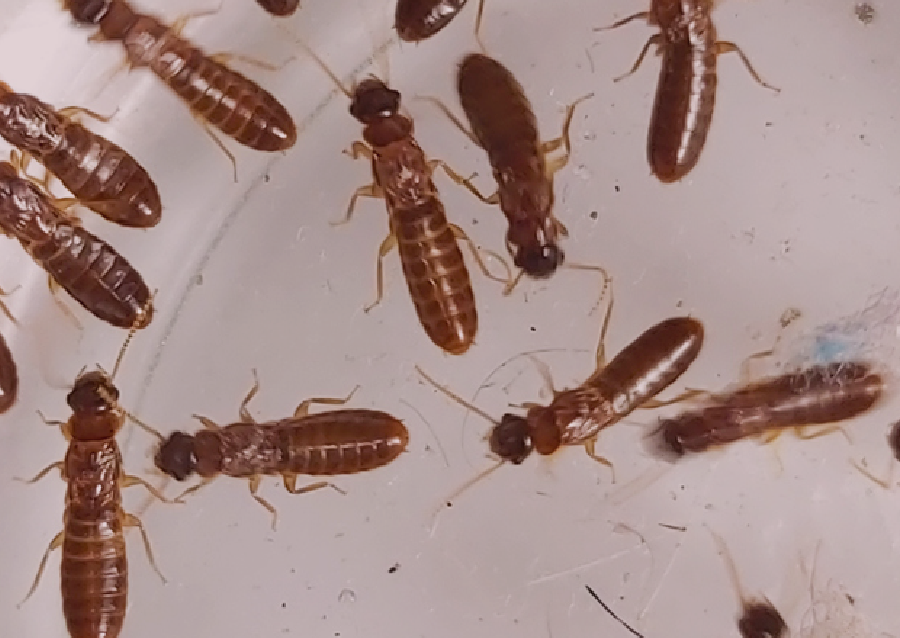
Our alternating wet winters and dry summers are nearly ideal for the Western Subterranean Termite. They live in underground colonies (sometimes 20 feet deep) and travel up through the soil to feed on the wood framing of your home. Because they eat from the inside out, a colony can cause significant structural damage for years before you notice anything.
What makes them the #1 threat: Termites cause more property damage in the U.S. each year than fires, floods, and storms combined. And almost none of it is covered by homeowners insurance.
- Mud tubes: Pencil-thin dirt tunnels climbing up your foundation wall, the termite highway from soil to wood
- Swarmers: In spring, after the first warm rain, winged termites emerge to start new colonies. Finding a pile of small silvery wings on a windowsill is a serious red flag
- Hollow-sounding wood: Tap on your baseboards or door frames. If they sound papery, the interior may have been eaten away
- Bubbling paint: Can look like minor water damage on drywall
What to do: Do not attempt DIY treatment. Effective termite control requires injecting liquid barriers into the soil or drilling through concrete, tasks that require industrial equipment and licensed professionals.
Deep dive: Termite Awareness in the San Joaquin Valley
SJPC Termite Control
Oriental Cockroaches ("Water Bugs"): The Drain Dwellers
 Why Fresno?
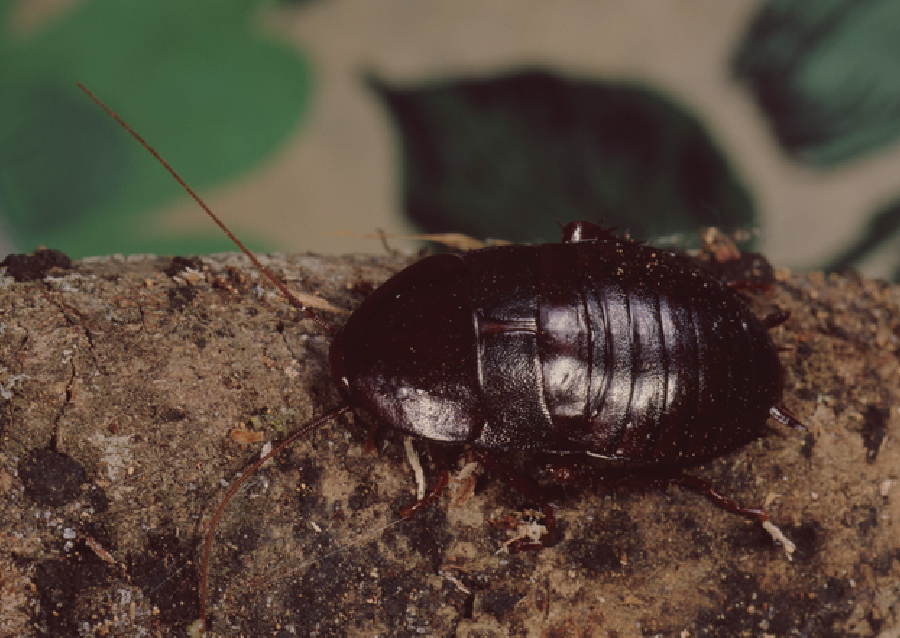
You know the scenario: you flip on the kitchen light at midnight and a large, shiny, dark insect scurries across the tile into the drain. Most Valley residents call them "Water Bugs." They're actually Oriental Cockroaches, and they're in your home because your plumbing is the most reliable water source within half a mile during a Fresno summer.
What makes them a health risk: Because Oriental Cockroaches spend their lives in sewers and decaying organic matter, they carry E. coli, Salmonella, and Staphylococcus on their legs. They can track these pathogens from your drain directly onto your cutting board or silverware.
The health case is documented: the NPMA reports 63% of U.S. homes contain cockroach allergens, rising to 78–98% in urban areas according to the American College of Allergy, Asthma and Immunology. ACAAI notes cockroach saliva, droppings, and shed body parts trigger both asthma and allergies — and advises eliminating the insects as one of the best ways to prevent cockroach allergies.
- Large (1–1.25 inch), shiny dark brown or black insects near floor drains, sinks, or tubs
- A distinct "musty" odor in the bathroom or under-sink cabinets, especially in large numbers
- Sightings during the day (a sign the population is large enough to force some out of hiding)
What to do: Reduce moisture and seal drain entry points while a professional treats the crawl space and exterior perimeter with moisture-resistant granular baits.
Deep dive: The "Water Bug" Mystery: Oriental Cockroach Control in the Valley
SJPC Cockroach Control
Western Black Widow Spiders: The Garage Residents
The Western Black Widow thrives in Fresno's dry, hot climate. They don't need much: just a dark, undisturbed corner and a steady supply of insects flying into their web. Your garage, irrigation valve boxes, patio furniture, and woodpile provide everything they need.
What makes them dangerous: Black Widow venom is a neurotoxin. While deaths are rare, bites cause intense muscle cramping, abdominal pain, and nausea, and can be life-threatening to children, the elderly, or anyone with a compromised immune system.
- Irregular, messy, and extremely strong webs (not geometric) in dark corners of the garage or under patio furniture
- A small, shiny black spider the size of a grape with a red hourglass on the underside of the abdomen
- Webs that "crackle" when touched, as widow silk is remarkably tough
What to do: Weekly de-webbing disrupts their lifecycle. A professional barrier treatment targets the insects spiders feed on, forcing them to relocate.
Deep dive: Spider Safety in the San Joaquin Valley
SJPC Spider Control
Yellowjackets & Paper Wasps: The Summer Scavengers
As the heat peaks in July and August, yellowjacket colonies reach their maximum size and aggression level. They build nests underground in old gopher holes (often invisible until you accidentally step near one) and inside wall voids. With Fresno's abundance of backyard BBQs, fallen orchard fruit, and outdoor dining, summer in the Valley is essentially a year-round food source for them.
What makes them dangerous: Unlike honeybees, yellowjackets can sting repeatedly without dying. A disturbed underground nest can contain thousands of individuals. They release a "distress pheromone" when crushed, which signals the hive to attack, making a swatting response the worst thing you can do.
- Insects repeatedly entering and exiting the same hole in the lawn or garden bed
- A papery, umbrella-shaped nest under your eaves (Paper Wasps, less aggressive but still a stinging risk)
- Yellowjackets "dive-bombing" food at outdoor gatherings in late summer
What to do: Never pour water or gasoline into a ground nest. Never spray it with a garden hose. Call a professional; the colony must be treated at the source with specialized protective gear.
Deep dive: Yellowjackets vs. Paper Wasps: Summer Safety in the Valley YellowJackets vs. Paper Wasps
Mosquitoes: The Evening Ambushers
Fresno's network of irrigation canals, retention ponds, and flooded winter fields creates abundant standing water, prime mosquito breeding territory. Warm nights that stretch well into October make Fresno's mosquito season significantly longer than most of California.
What makes them more than annoying: West Nile virus is the most common and serious vector-borne disease in California — more than 8,300 human cases and 400 deaths since 2003 (CDPH). In July 2026 alone, CDPH confirmed WNV-positive mosquito samples across 25 counties, including Madera, Fresno, Kings, Merced, and Stanislaus — every corner of our service area. The first 2026 human case in Kings County was confirmed in late July.
- Bites concentrated at dusk and dawn (the primary feeding window)
- Standing water in planters, bird baths, clogged gutters, or low spots in the yard that hold water after irrigation
What to do: Eliminate standing water as a first step. Professional mosquito barrier treatments applied to vegetation and shaded areas dramatically reduce the active population around your home.
From the Field
"People ask which pest is worst. Honestly? Whichever one you're ignoring. Every one of these seven gives you warning signs weeks before it becomes an infestation — that's the window where a free estimate saves you real money."
— Kathryn Buckley, San Joaquin Pest Control
The Bottom Line: Fresno's Pests Follow a Calendar
No single pest owns Fresno year-round; they take turns. Termite swarms in spring, ants in summer, rodents in fall, cockroaches all winter. This is exactly why a year-round prevention plan outperforms calling for help after the problem is already established.
At San Joaquin Pest Control, we've spent over 50 years learning the seasonal rhythms of this valley. We know when each pest is most likely to make its move, and we adjust our treatments accordingly so you're protected before they show up, not after.
See the full seasonal breakdown: The Ultimate San Joaquin Valley Seasonal Pest Calendar
Related Guides
Seeing Any of These in Your Fresno Home?
Don't wait for a small problem to become a structural repair or a health hazard. San Joaquin Pest Control serves Fresno, Clovis, Visalia, and the surrounding San Joaquin Valley with professional, family-owned pest management backed by a 100% Satisfaction Guarantee.
Request your free estimate today. No contracts required.
Get Your Free Estimate